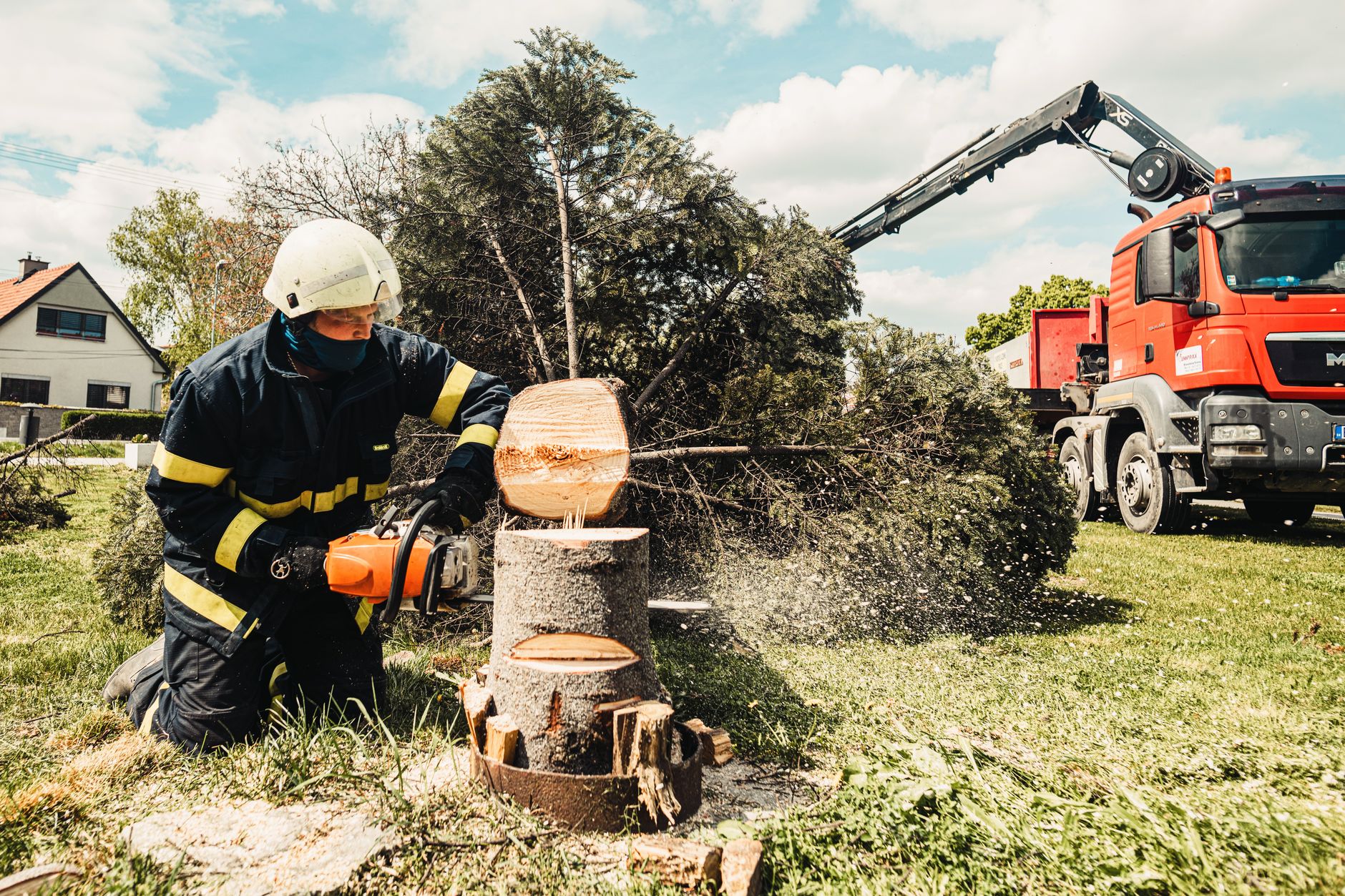
The invasives that take over here
Anybody who has owned a place around Corpus for a while knows the volunteers that show up uninvited and take over: chinaberry, mimosa, running bamboo, and Johnson grass are some of the worst offenders. They seed or spread aggressively, come up in fence lines, along foundations, and in the corners of the yard nobody watches, and left alone they turn into a real infestation fast in this climate.
They are not landscaping, they are a problem that grows, and the longer they sit the harder and more expensive they are to get rid of.
Why they are worse than an eyesore
The real trouble with these invasives is what they do underground. Their roots and runners are aggressive and go looking for water, which around a house means they get into and crack sewer and water pipes, work into foundation cracks and widen them, and heave up sidewalks, driveways, and established walk paths. Bamboo in particular sends runners under everything and comes up on the far side, and a chinaberry or mimosa rooted next to your plumbing is a slow leak waiting to happen.
By the time the damage shows, the plant has been working on it for years.
Why cutting the top does not fix it
The mistake people make is cutting an invasive down and thinking it is handled, when for most of these the top is the easy part and the roots and runners are the real problem, because they resprout, keep spreading underground, and keep damaging what they are into. Really getting rid of chinaberry, mimosa, bamboo, or Johnson grass means dealing with the root system and the runners, not just the visible growth, and often staying after it so it does not creep back from a neighbor or a fence line.
A crew that knows these local invasives treats the whole plant, not just the part you can see.
- Chinaberry, mimosa, bamboo, and Johnson grass spread where they should not
- Their roots crack pipes, plumbing, foundations, and walk paths
- Cutting the top is not enough; the roots and runners have to be dealt with
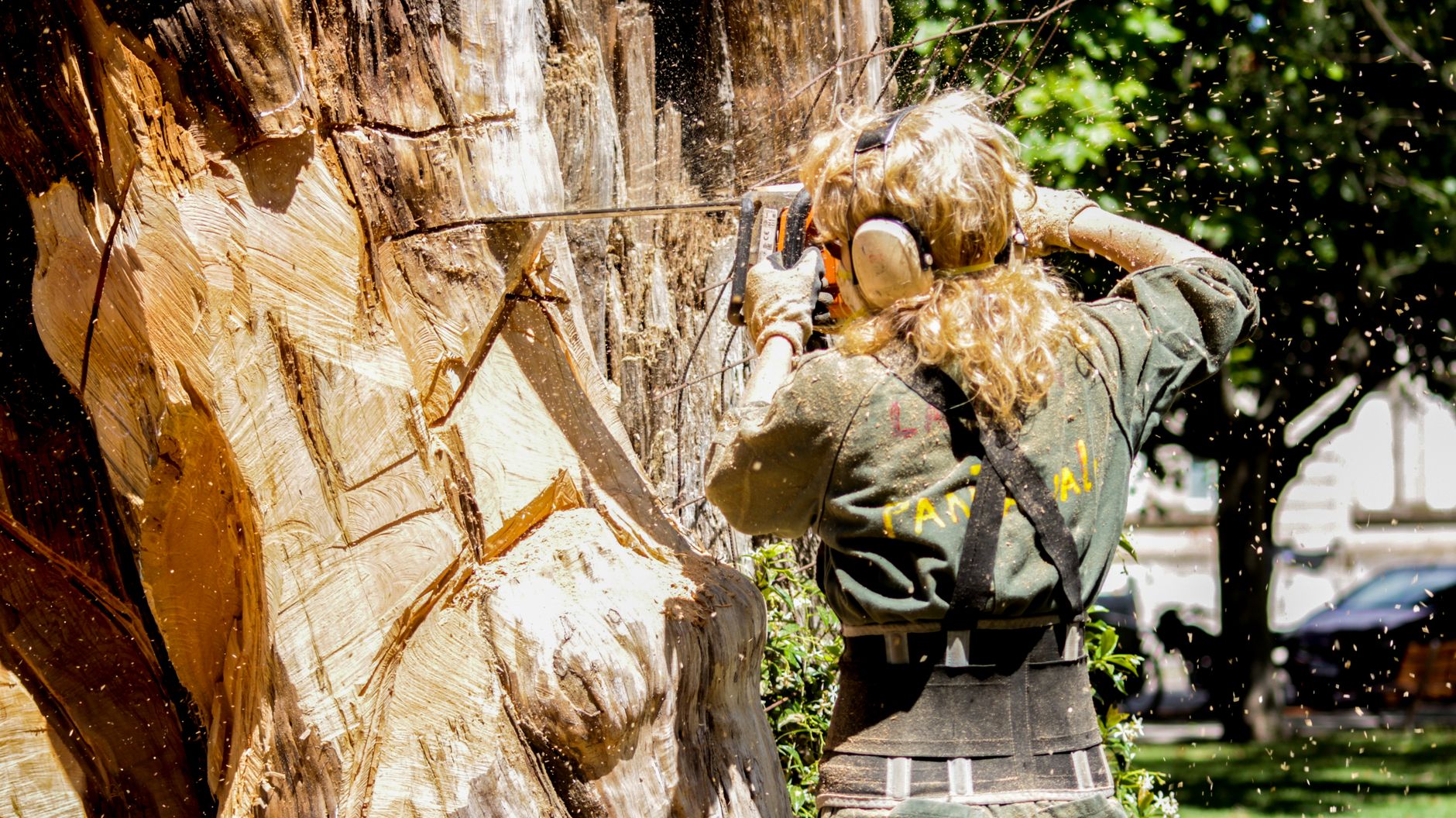
Questions people ask about Invasive Species and Brush Removal
Is bamboo really that hard to get rid of?
Running bamboo, yes. It spreads by runners that travel under fences and slabs and pop up far from the parent, so cutting the visible canes is a haircut, not a removal. Real control means killing or excavating the runner network and often a root barrier to stop reinvasion from next door.
Can I just spray the Johnson grass myself?
You can knock it back, but mature stands come back from rhizomes, and one pass of anything rarely ends it. It usually takes repeated treatment on a schedule, and around structures and desirable plants the spraying needs care. Persistence, not product, is what kills it.
What is the fastest way to be done with chinaberry?
Cut it and treat the stump immediately, before it seals. Left untreated, a cut chinaberry answers with a thicket of resprouts that is worse than the original tree. That cut-and-treat discipline is the difference between removing one and farming them.
New to this? The plain-English guide to ordering walks through what to decide first.